Galvanic corrosion
Galvanic corrosion is a common corrosion mechanism that frequently leads to damage of components in industrial applications. Especially when different metals are in electrical contact and exposed to moisture or salt water, corrosion can develop rapidly. Without well‑considered material selection and adequate protection, this results in increased maintenance costs, unplanned downtime, and a significantly reduced service life of critical components.
What is galvanic corrosion?
Corrosion is an electrochemical process in which metals gradually lose material under the influence of their environment. Galvanic corrosion always involves two different metals or alloys. When these materials are electrically connected, the less noble metal acts as the anode. This metal corrodes at an accelerated rate, while the more noble metal remains largely intact.
When does galvanic corrosion occur?
Galvanic corrosion occurs when three conditions are present simultaneously:
Two different metals or alloys with differing electrochemical potentials- Electrical contact between these metals- The presence of an electrolyte, such as (salt) water or humid air
When these conditions are met, a galvanic potential difference arises. This potential difference determines the corrosion rate of the anodic material and can directly impact the reliability of components and structures.
Risks and impact
Galvanic corrosion has direct consequences for the performance and safety of installations and infrastructure:
Accelerated degradation of metallic parts with loss of structural integrity- Shortened service life of critical components- Higher maintenance costs and unplanned downtime- Increased safety risks in offshore, infrastructure, and industrial applications- Economic losses due to repair or replacement of parts
Practical examples
Marine and offshore environments
In marine and offshore applications, metals are continuously exposed to salt water, a very effective electrolyte. When steel comes into contact with copper alloys or stainless steel, galvanic corrosion can develop rapidly and lead to severe material damage. Typical high‑risk applications include ship hulls, drive shafts, hydraulic cylinders, and structures in splash zones.
Bridges and water locks
In bridges and water locks, metal combinations that are susceptible to galvanic corrosion are also frequently found. Examples include bolted joints, railings, lock gates, and moving parts in which steel, aluminium, and stainless steel are combined. Due to continuous exposure to moisture and varying mechanical loads, this can lead to premature degradation and functional failures.
How do you prevent galvanic corrosion?
Controlling galvanic corrosion starts with well‑considered material selection and careful design. Depending on the application, various measures are possible, ranging from design principles to structural surface protection.
Material selection
By combining metals that are close to each other in the galvanic series, the electrochemical potential difference remains limited. As a result, the risk of accelerated corrosion of the less noble metal decreases.
Electrical insulation
Electrically insulating incompatible metals prevents galvanic coupling. This can be achieved by using insulating materials such as gaskets, plastics, or specific insulating layers.
Coatings and barriers
Conventional coatings and barriers can temporarily protect the metal against contact with an electrolyte. In demanding industrial environments, however, these solutions are sensitive to damage, wear, and underfilm corrosion. As a result, protection is often limited in both time and reliability.
Design, inspection, and maintenance
Careful design remains essential. Avoid combinations in which a small anodic area is coupled to a large cathodic area, as this greatly increases the corrosion rate. Regular inspection and maintenance are still required to detect incipient damage at an early stage.
Laser cladding
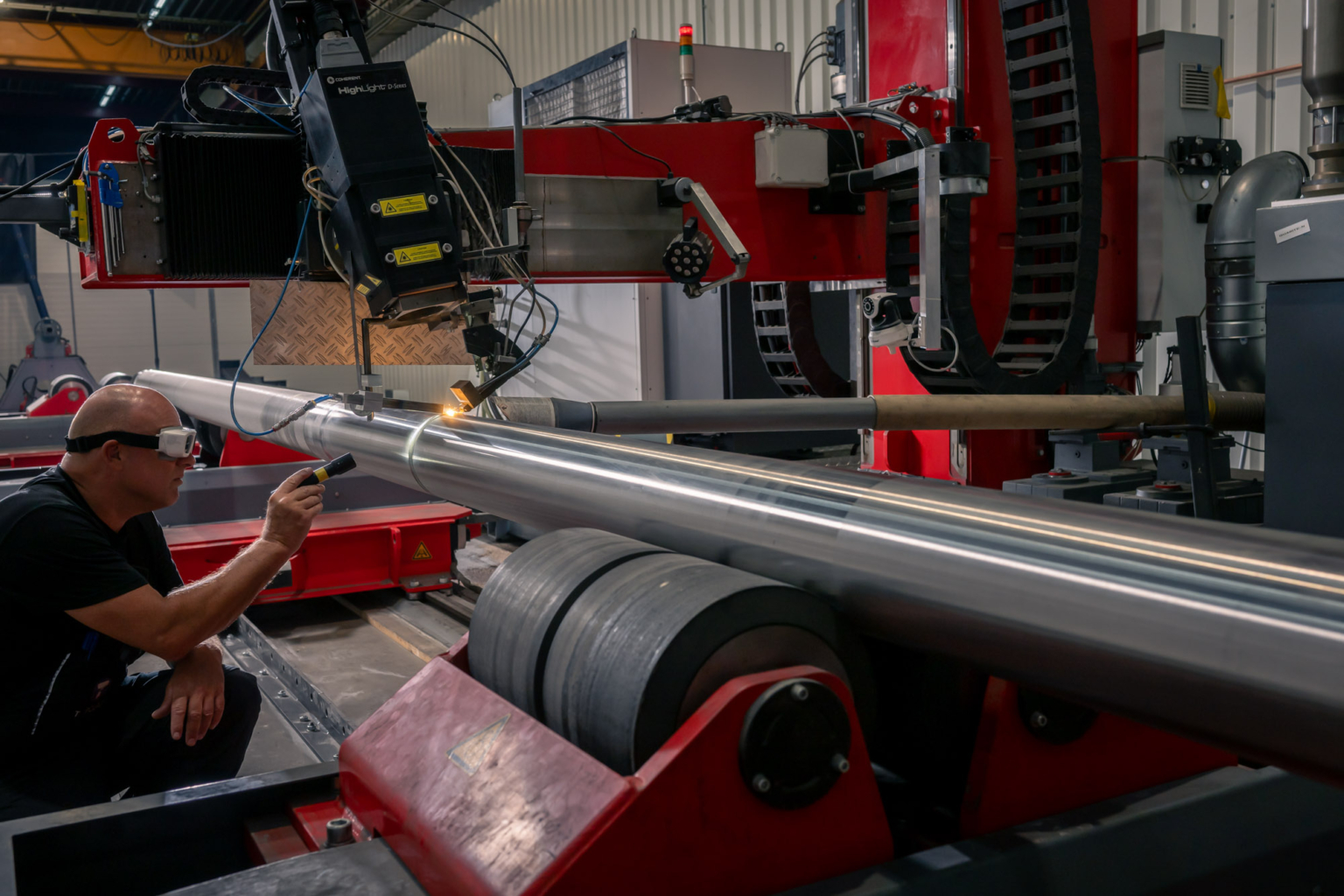
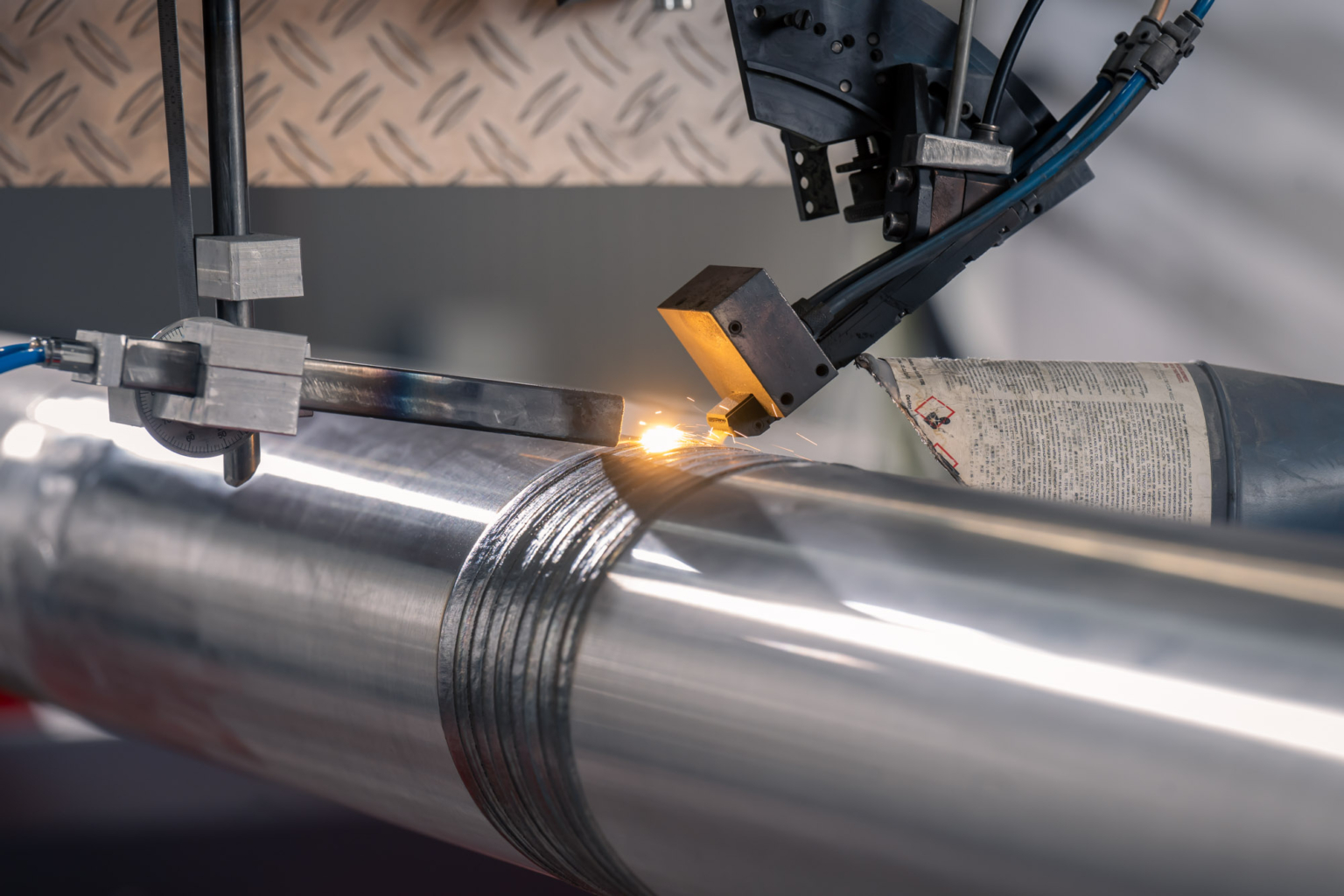
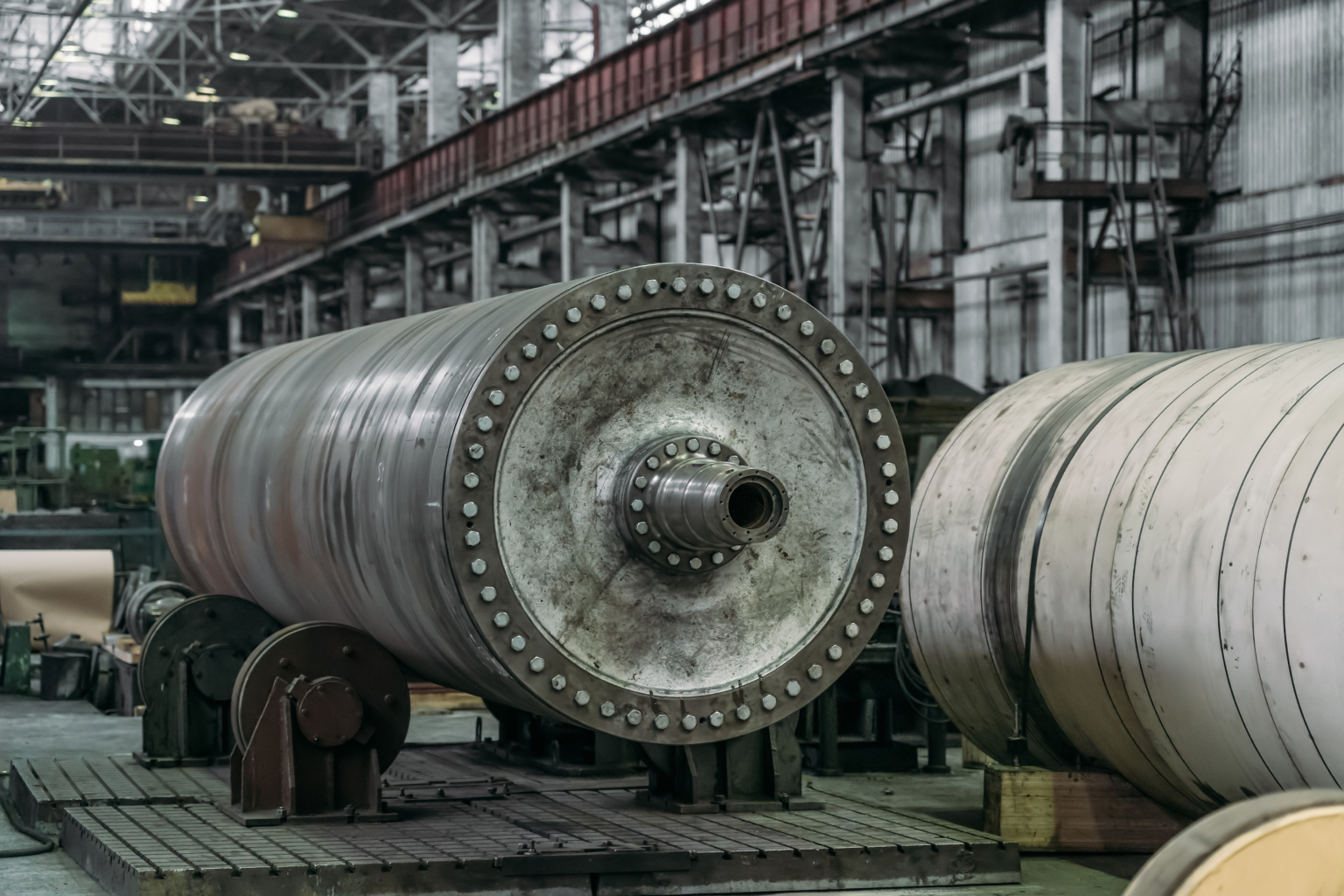
Laser cladding acts at the material level. Instead of a mechanical barrier, a pore‑free, metallurgically bonded layer is applied that fully fuses with the base material. This eliminates any interface where electrolytes could penetrate.
By precisely matching the composition of the laser‑clad layer to both the base material and surrounding components, electrochemical potential differences can be actively controlled. This makes laser cladding particularly suitable for applications where galvanic corrosion represents a structural risk.
Laser cladding as a structural solution against galvanic corrosion
Laser cladding offers a structural solution for applications where galvanic corrosion leads to premature degradation of components. With laser cladding, a durable protective layer is applied that resists corrosive influences such as moisture, salt, and industrial chemicals. In contrast to conventional coatings, there is no risk of delamination or underfilm corrosion.
Laser‑clad layers from Topclad are engineered based on the specific application and the material combinations within a structure. This significantly reduces the risk of galvanic corrosion while maintaining the mechanical and chemical load capacity of components.
This approach results in longer component service life, reduced maintenance requirements, and higher operational reliability, particularly in corrosive and heavily loaded environments.
Where is laser cladding used?
Laser cladding is used in a wide range of markets where components are exposed to corrosion, wear, and severe operating conditions. Examples include the maritime industry, offshore, oil & gas, steel production, power generation, and mining.
In all these sectors, laser cladding demonstrably contributes to improved performance, longer component life, and lower maintenance costs.
We are Topclad
Topclad is Europe’s leading manufacturer of innovative laser clad layers, based in Lelystad, the Netherlands. We specialize in developing and applying laser clad layers for the most demanding industries, including oil & gas, offshore, dredging, mining, bridges & water locks, steel manufacturing, and food processing.
Our mission is to provide components with superior protection against wear, corrosion, and impact, resulting in significantly improved reliability and uptime of capital-intensive equipment. With over 16 years of experience, a steadfast commitment to quality, and a proven track record of over 15,000 laser cladded components, we deliver solutions that enhance the performance and longevity of your critical machinery.

Why Topclad?
- Over 16 years laser cladding experience with over 15.000 cladded components
- More than 10 in-house developed laser clad layers
- Commitment to quality
- Expertise in comprehensive repairs
- 24.000 mm clad length capacity and 2.200 clad diameter capacity
- Chromium-6-free solutions
Ready to talk
with us?
Topclad Laser Cladding is the leading manufacturer of innovative laser clad layers in Europe. Based in Lelystad, the Netherlands, Topclad Laser Cladding develops and applies laser clad layers for the most demanding industries including oil, gas, sustainable energy, offshore, dredging, mining, bridges and water locks, steel manufacturing and food processing.
"*" geeft vereiste velden aan
 English
 German
 Dutch
Dutch French
 Italian