Laser Metal Deposition (LMD)
Are you facing wear, corrosion or recurring downtime in demanding environments? Laser Metal Deposition (LMD) is often used as the term for laser-based build-up and restoration. At Topclad, this aligns with laser cladding: applying controlled material build-up using high-energy lasers and powdered alloys, with minimal heat impact on the base material. LMD is used to restore geometry, protect functional surfaces, and extend component lifetime, particularly when replacement is costly or lead times are long.
Common problems LMD solves
LMD is typically considered when performance and uptime matter:
- Wear or corrosion damage driving frequent maintenance
- High-value components where replacement is not the best option
- Dimensional loss requiring controlled build-up
- Surface failure in aggressive environments where durability is critical
- Downtime pressure where fast restoration is needed
For repair scenarios and typical repair approaches:
What is Laser Metal Deposition (LMD)?
Laser Metal Deposition (LMD) refers to laser-based metal deposition where material is added to a substrate along a controlled path. Track by track or layer by layer. The purpose is controlled build-up: restoring worn areas, adding features, or rebuilding functional surfaces.
At Topclad, this closely relates to laser cladding: adding material where needed to rebuild parts, restore geometry, or create features.
Laser metal deposition process at Topclad
Topclad’s approach is built around control and reliability:
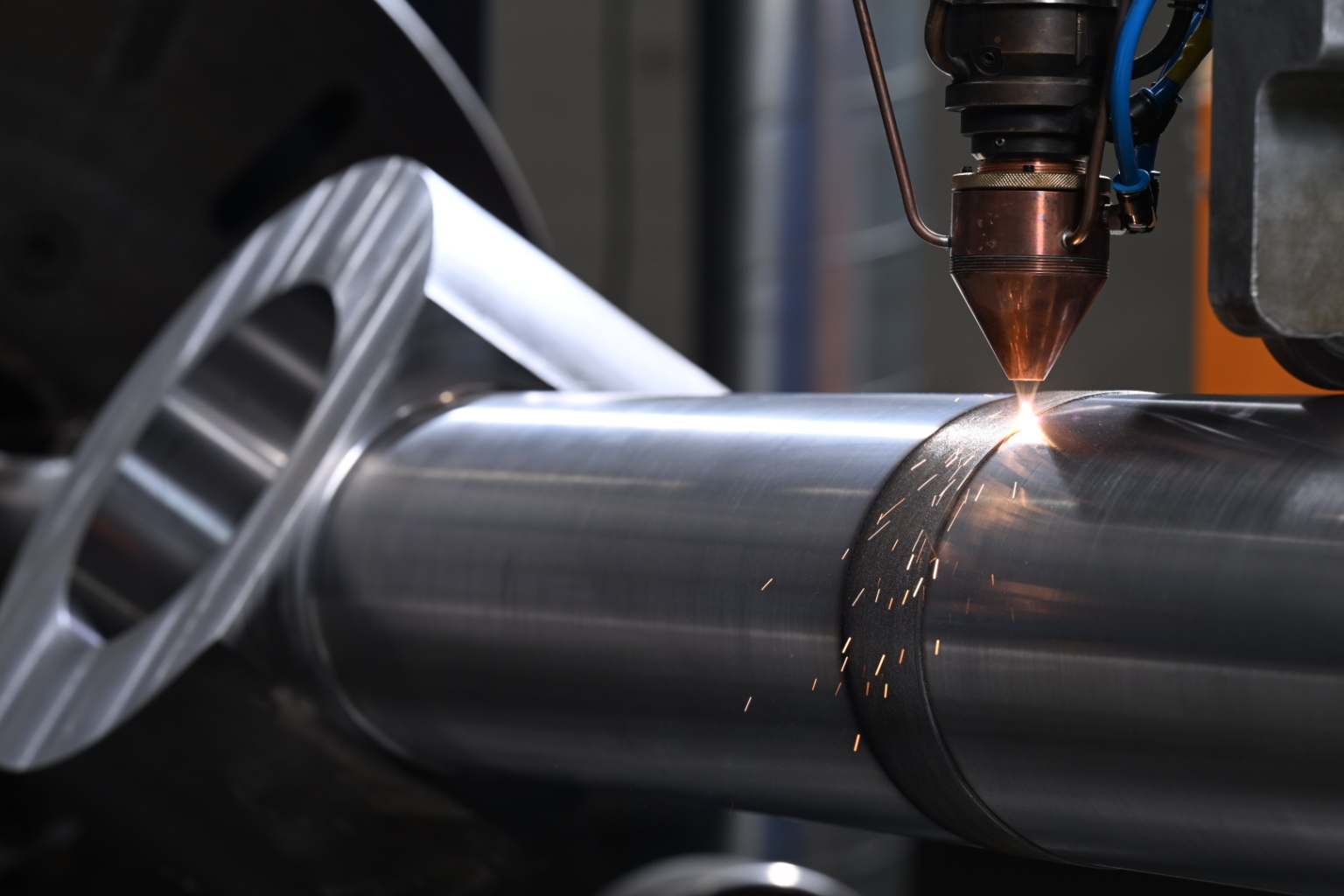
- A focused laser creates localized melting on the surface
- Powdered alloy material is fed into the process and fused onto the substrate
- Controlled energy input supports strong bonding with minimal heat impact on the base material
Typical applications of laser metal deposition
LMD is most relevant when you need controlled build-up, restoration, or protection on functional surfaces.
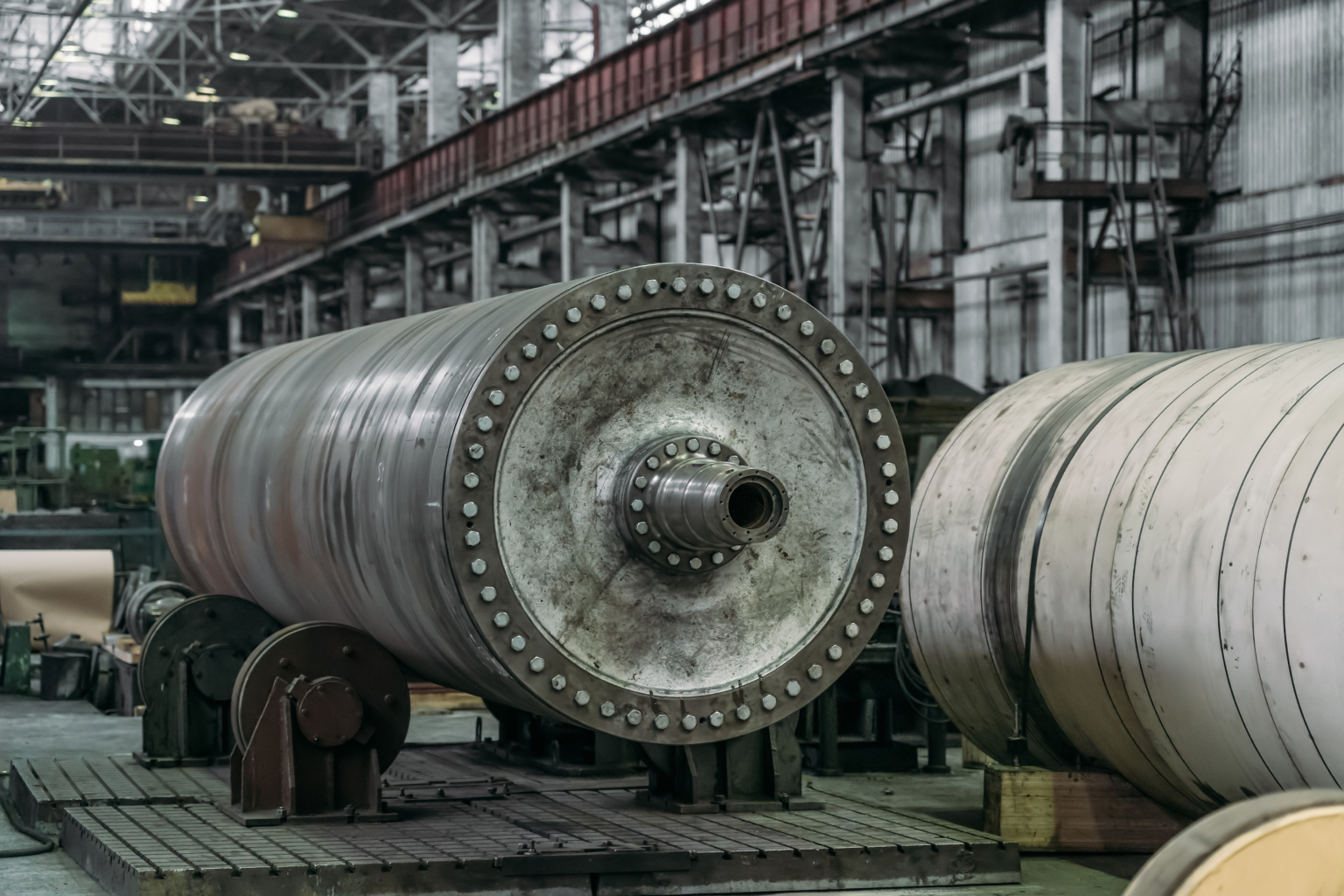
Typical components
- piston rods
- rollers
- drums
- mandrels
- propeller shafts
- shafts and other machine components
Typical repair scenarios
- restoring worn dimensions on critical surfaces
- rebuilding local damage zones
- extending service life in high wear or high corrosion environments
Is LMD the right fit for your component?
LMD is typically a strong fit when you need:
- controlled build-up to restore geometry and functional dimensions
- a durable bonded layer on a critical surface
- a repair route that reduces downtime and supports longer service intervals
- a Chromium-6-free approach to surface protection (Topclad laser cladding layers)
To qualify your case quickly, share:
- component type (rod, shaft, roller, etc.)
- base material (if known)
- damage type (wear, corrosion, impact)
- dimensions and photos
Key advantages
Laser cladding is selected for technical performance, repair potential, and operational impact:
- controlled layer build-up for functional surfaces
- localized heat input and precision where it matters
- repair potential that supports life extension and reduced downtime
- Chromium-6-free laser cladding layers (Topclad approach)
For the complete overview:
Markets we support
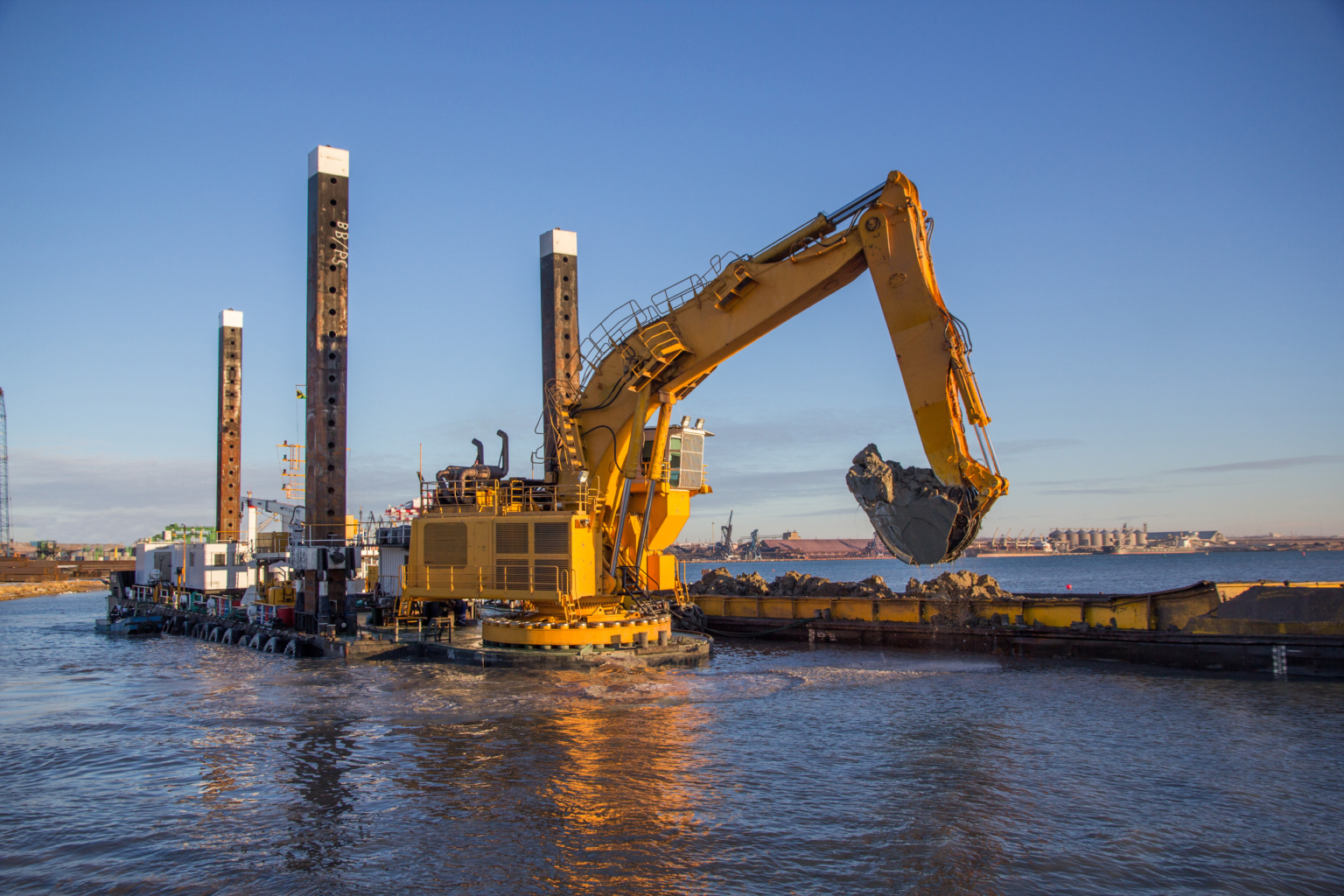
Topclad supports markets where uptime, safety, and surface performance are critical, including
- offshore & maritime
- dredging
- mining
- steel
- food processing
- heavy machinery
Laser clad layers
Learn more about the markets we serve
Our LMD service approach
A typical LMD / laser cladding project follows a clear path:
- Restore geometry to the required functional dimensions
- Assess the component and define the target surface requirement
- Select the right repair or cladding approach for the wear pattern
- Apply laser cladding / LMD with controlled energy input
Reduce downtime and extend component lifetime
If your component is suffering from wear, corrosion, or recurring maintenance, LMD (laser cladding) can restore geometry and protect functional surfaces, without replacing the full part.
FAQ about Laser Metal Deposition (LMD)
Is LMD the same as laser cladding?
LMD is often used as a term for laser-based deposition. At Topclad, it aligns with laser cladding: adding material to rebuild or create features.
Can LMD be used for repair?
Yes. LMD / laser cladding is used to restore worn or damaged components and extend lifetime, often avoiding full replacement.
What parts are typical for LMD services?
Common examples include rods, shafts, rollers and other machine components operating in demanding environments.
What are the main advantages?
Topclad focuses on controlled build-up, strong bonding, repair potential, and reduced downtime/total cost of ownership.
Do you provide LMD machines?
Topclad provides LMD/laser cladding as a service. Share your part details for a quick assessment.
We are Topclad
Topclad is Europe’s leading manufacturer of innovative laser clad layers, based in Lelystad, the Netherlands. We specialize in developing and applying laser clad layers for the most demanding industries, including oil & gas, offshore, dredging, mining, bridges & water locks, steel manufacturing, and food processing.
Our mission is to provide components with superior protection against wear, corrosion, and impact, resulting in significantly improved reliability and uptime of capital-intensive equipment. With over 16 years of experience, a steadfast commitment to quality, and a proven track record of over 15,000 laser cladded components, we deliver solutions that enhance the performance and longevity of your critical machinery.

Why Topclad?
- Over 16 years laser cladding experience with over 15.000 cladded components
- More than 10 in-house developed laser clad layers
- Commitment to quality
- Expertise in comprehensive repairs
- 24.000 mm clad length capacity and 2.200 clad diameter capacity
- Chromium-6-free solutions
 English
 German
 Dutch
Dutch French
 Italian